
A Continental Navy as Economic Policy
Common SenseThis flow tracks Paine’s proposal to make naval construction an investment in both commerce and national protection.
increasing Bearing strength in each event
 decreasing
Bearing strength in each eventdecreasingDebt and National Capacity

Debt and National Capacity
A Cost Worth Bearing
Paine argues that a national debt could be justified if it secures a durable government. Spending on a lasting political foundation differs from paying for temporary relief.
Investment in the Future
The relevant question is not whether defense costs money, but whether the expenditure leaves future generations a useful inheritance.
A Navy’s Price
A Navy’s Price
Making the Costs Visible
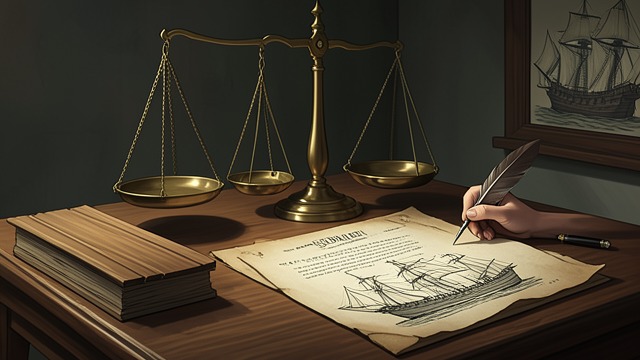
Paine presents estimates for ships of different sizes and uses them to calculate the cost of Britain’s fleet. The figures challenge the belief that naval strength is beyond American reach.
Arithmetic as Persuasion
By turning a formidable institution into a set of costs, he invites readers to judge its scale practically rather than fearfully.
Local Shipbuilding
Local Shipbuilding
Domestic Materials
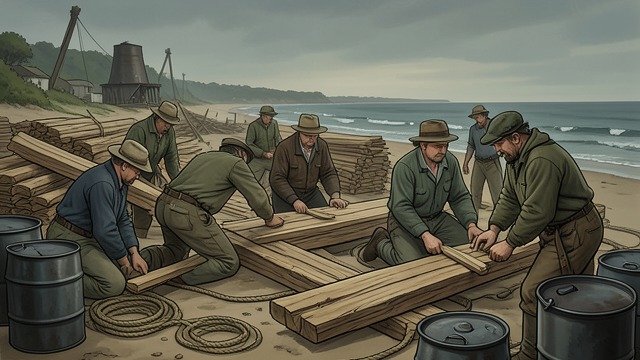
Timber, iron, tar, and cordage provide the basis for building ships within America. Paine presents this supply as a strategic advantage over states dependent on imports.
A Productive Industry
Shipbuilding could employ skilled workers and turn existing resources into durable assets. The navy becomes an extension of the continent’s economic capacity.
Merchant Fleet Incentives
Merchant Fleet Incentives
Commercial Vessels
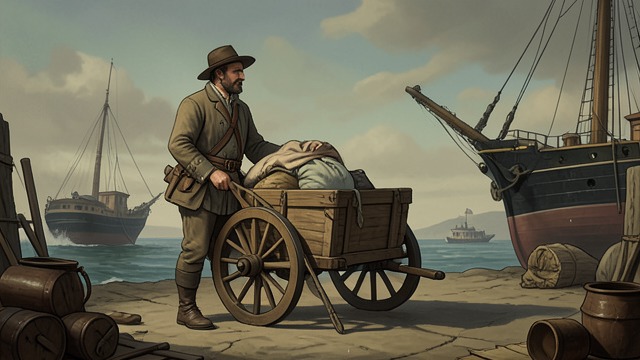
Paine proposes premiums for merchants who build armed ships, with support scaled to the commercial cost of fitting them for defense. A smaller number of guardships could complement them.
Avoiding Idle Power
The approach would keep vessels in useful service rather than allowing a fleet to decay in port. Commerce would help sustain the capacity it might later need for protection.
Trade and Protection Joined
Trade and Protection Joined
Strength in Mutual Support
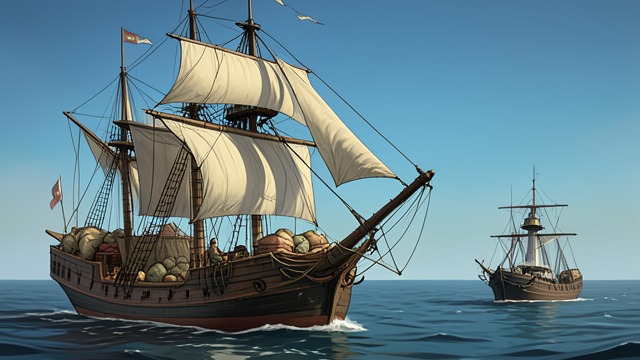
Paine’s policy makes wealth and security reinforce each other. Ships serve commercial purposes while preserving a capacity for defense.
Independence in Practice
The proposal turns political independence into practical preparation. A free country, in his account, must be able to protect the coast and trade on which its prosperity rests.
As Paine assesses America’s wartime resources
During Paine’s naval cost calculations
As Paine describes American manufacturing prospects
During the proposed peacetime naval policy
At the conclusion of the naval proposal
